Increased Uric Acid – Increased Death Risk
Doctors have suspected links between increased uric acid and increased risk of heart problems for over 100 years.
After decades of ignoring these risks, several investigations show links between high uric acid & heart disease, including higher risks of death.
Though these links are becoming clearer every year, there is little evidence that there are any improvements in treatment. Let’s look at the risks, and ways you can improve your chances of avoiding death from increased uric acid.
Heart Risks Associated With Increased Uric Acid
Current thinking is neatly encapsulated in last year’s review by Gagliardi and colleagues [1]. Uric acid: A marker of increased cardiovascular risk, starts by telling us that uric acid has been linked with heart disease since the 19th century. At that time, there was no easy way to lower uric acid, though we now have effective gout treatments to avoid risks of high uric acid.
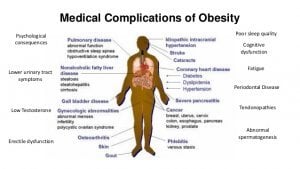
Over one hundred years later, we have a wealth of uric acid research relating to heart and associated risks. So common, that the review refers to “classical association of gout, hypertension, obesity and cardiovascular disease” [my bold]. It points out that, in addition to the well-known relationship between uric acid and deficiencies in purine metabolism, “increased uric acid is generally associated with important risk factors for atherosclerosis like hypertension, abdominal obesity, insulin resistance, the metabolic syndrome and renal failure.”
All these associations between uric acid and heart disease risks are reported in detail by Feig and colleagues [2].
More specifically, Car & Trkulja [3] have investigated uric acid levels in patients admitted to hospital with heart attacks. They have shown that increased uric acid is associated with increased risk of death in hospital, and death within 30 days. It is also associated with lower survival rates over five years following the heart attack.
Increased Uric Acid Conclusions
All these studies emphasize that whilst higher uric acid is associated with higher heart disease risks, nobody knows if there is any causal link. Neither do they show if heart disease problems are decreased if uric acid levels are decreased.
Although we do not know if increased uric acid might cause heart problems, or if undiagnosed heart problems cause high uric acid, several studies have shown that the risks are linked.
Increased Uric Acid Next Steps
If you have a personal or family history of high uric acid, it is important to see your doctor about your risks of heart disease.
Similarly if you have a personal or family history of heart disease, it is important to see your doctor about checking your uric acid level.
Leave Increased Uric Acid to browse the Gout Disease pages
Increased Uric Acid References
- Authors: Gagliardi AC, Miname MH, Santos RD. Title: Uric acid: A marker of increased cardiovascular risk. Published: Atherosclerosis. 2009 Jan;202(1):11-7.
- Authors: Daniel I. Feig, M.D., Ph.D., Duk-Hee Kang, M.D., and Richard J. Johnson, M.D. Title: Uric Acid and Cardiovascular Risk. Published: N Engl J Med. 2008 October 23; 359(17): 1811–1821. Uric Acid And Heart Risks
- Authors: Car S, Trkulja V. Title: Higher serum uric acid on admission is associated with higher short-term mortality and poorer long-term survival after myocardial infarction: retrospective prognostic study. Published: Croat Med J. 2009 Dec;50(6):559-66. Uric Acid And Heart Attack Deaths